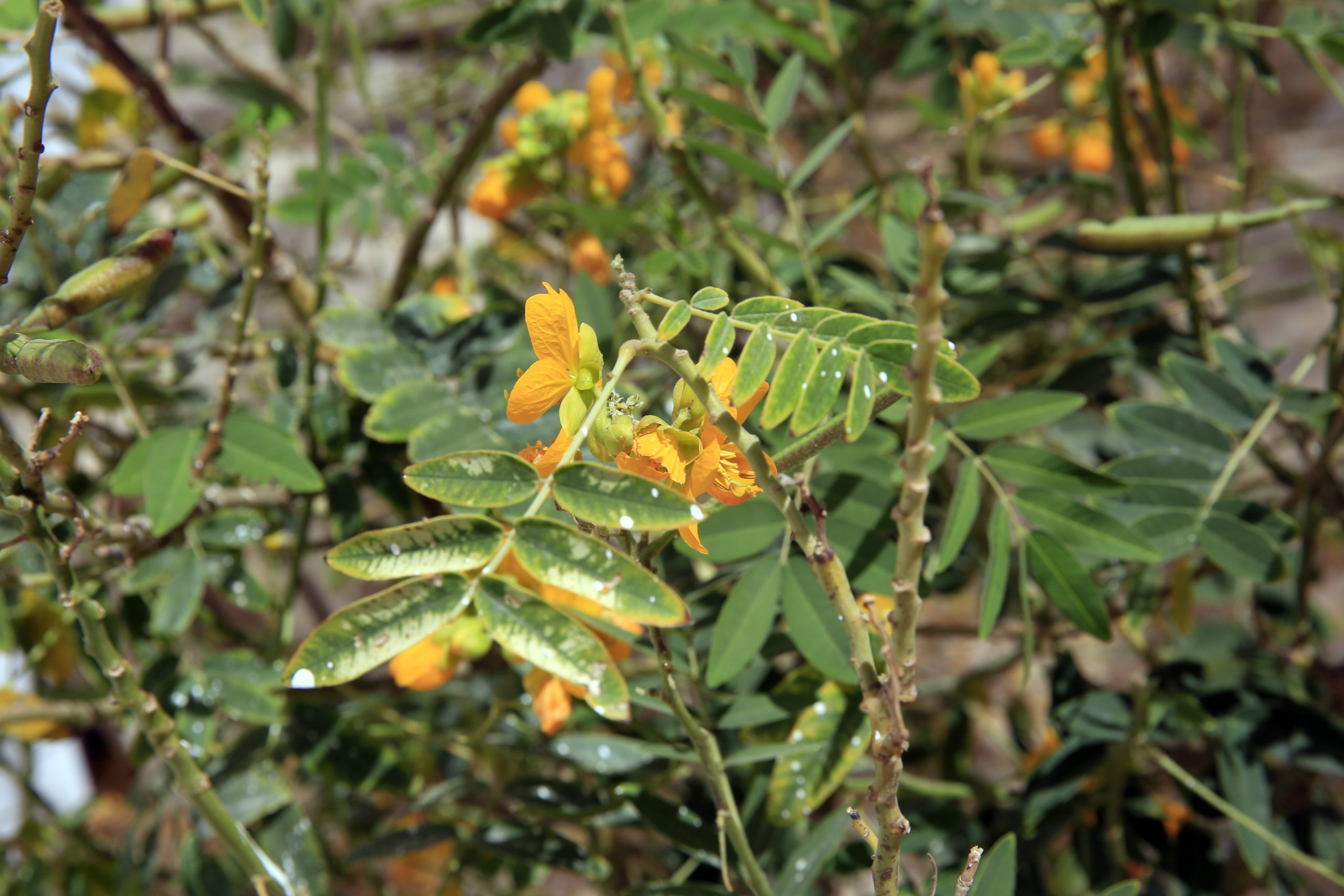
Creating a thriving garden in Saudi Arabia starts with one decision that matters more than any other: choosing plants that are suited to the Kingdom’s climate. High summer temperatures, intense sunlight, limited rainfall, and sandy or saline soils all shape what will flourish and what will struggle.
The good news is that the palette of plants that love these conditions is far richer than most people expect. In this guide, our horticulture team shares the trees, shrubs, ground covers, and seasonal flowers that consistently perform best in Saudi gardens, along with practical tips for helping them thrive as part of a professional landscape design.
What Makes a Plant Right for Saudi Arabia?
Before selecting individual species, it helps to understand what we look for when planning a planting scheme:
- Heat tolerance: the ability to withstand long summers where daytime temperatures regularly exceed 40°C.
- Low water demand: drought-tolerant and native species dramatically reduce irrigation needs.
- Soil adaptability: tolerance of sandy, fast-draining, and sometimes saline soils.
- Sun exposure: most of the garden will receive strong, direct sunlight for much of the day.
- Maintenance profile: how much pruning, feeding, and care the plant needs to look its best.
The Best Trees for Saudi Gardens
Date Palm (Phoenix dactylifera)
The signature tree of the Kingdom. Date palms are exceptionally heat- and drought-tolerant, provide generous shade, and give any landscape an unmistakably Arabian character. They suit villa gardens, boulevards, and large developments alike.
Ghaf (Prosopis cineraria)
A hardy native desert tree with deep roots and a light, feathery canopy. The ghaf survives on minimal water once established and is an excellent choice for sustainable and naturalistic planting schemes.
Sidr (Ziziphus spina-christi)
A resilient native tree valued for its dense shade, modest water needs, and cultural significance. It handles poor soils well and supports local biodiversity.
Royal Poinciana (Delonix regia)
For gardens that want seasonal drama, the poinciana’s canopy of red-orange blooms is unmatched. It needs a little more water than natives but rewards with spectacular color.
Neem (Azadirachta indica)
A fast-growing evergreen with a broad canopy, well adapted to hot climates and widely used for street and shade planting across the Gulf.
Shrubs and Flowering Plants That Love the Heat
- Bougainvillea: the most reliable source of vivid color in the Kingdom; thrives in full sun and tolerates drought once established.
- Tecoma stans (yellow bells): long flowering season and very low care requirements.
- Arabian jasmine: fragrant white flowers; performs well in courtyards and near seating areas.
- Hibiscus: large tropical blooms; best with some afternoon shade and regular watering.
- Oleander: tough, showy, and salt-tolerant; note that all parts are toxic if ingested, so site it away from play areas.
- Lantana: fast-spreading ground color that copes well with heat and poor soil.
Ground Covers and Grasses
For lawns, paspalum and bermuda grass varieties handle heat and moderate salinity better than cool-season grasses. Where water conservation is a priority, consider reducing lawn areas in favor of ground covers such as carissa, wedelia, or ornamental grasses, or explore artificial turf for high-traffic zones.
Seasonal Color for the Cooler Months
From October to March, Saudi gardens can host a rotation of seasonal flowers: petunias, marigolds, vincas, zinnias, and portulaca all perform beautifully in the winter growing season and give gardens a fresh look twice a year.
Native and Drought-Tolerant Planting: The Smart Default
Native and climate-adapted plants are the foundation of sustainable landscaping in Saudi Arabia. They need less water, less fertilizer, and less intervention, and they align with the Kingdom’s wider greening and sustainability goals. A well-designed scheme typically combines a native backbone with carefully placed ornamental highlights, giving you resilience without sacrificing beauty. For more on this approach, see our guide on designing a low maintenance garden in Saudi Arabia.
Watering and Soil Tips From Our Team
- Pair every planting plan with an efficient irrigation design; drip irrigation delivers water to the roots with minimal waste.
- Water early in the morning to reduce evaporation losses.
- Improve sandy soils with organic matter at planting time to boost water retention.
- Mulch generously around trees and shrubs to keep roots cool and conserve moisture.
- Group plants by water need (hydrozoning) so no plant is over- or under-watered.
Frequently Asked Questions
What is the easiest plant to grow in Saudi Arabia?
Bougainvillea is arguably the most forgiving choice for color, while date palms and ghaf trees are the most dependable trees. All three tolerate heat and drought with minimal care.
Can I have a green lawn in Saudi Arabia?
Yes: warm-season grasses like paspalum and bermuda perform well with proper irrigation. For lower water use, consider reducing lawn size or combining natural grass with artificial turf.
When is the best time to plant in Saudi Arabia?
Autumn (October to November) is ideal for most trees and shrubs. Cooler temperatures let roots establish before the summer heat arrives.
Related Guides
- When to Plant in Saudi Arabia: The Autumn Planting Calendar
- Luxury Landscaping in Saudi Arabia: Villa and Compound Garden Design
- Sustainable Landscaping in Saudi Arabia
- How to Design a Low Maintenance Garden in Saudi Arabia
- Landscape Maintenance Contracts in Saudi Arabia
Bring Your Garden to Life With AALICO
Since 1980, AALICO has been transforming outdoor spaces across the Kingdom with climate-smart planting, efficient irrigation, and expert maintenance. Whether you are planning a villa garden or a large-scale development, our team can design a planting scheme that thrives in your location. Contact us today for a consultation.